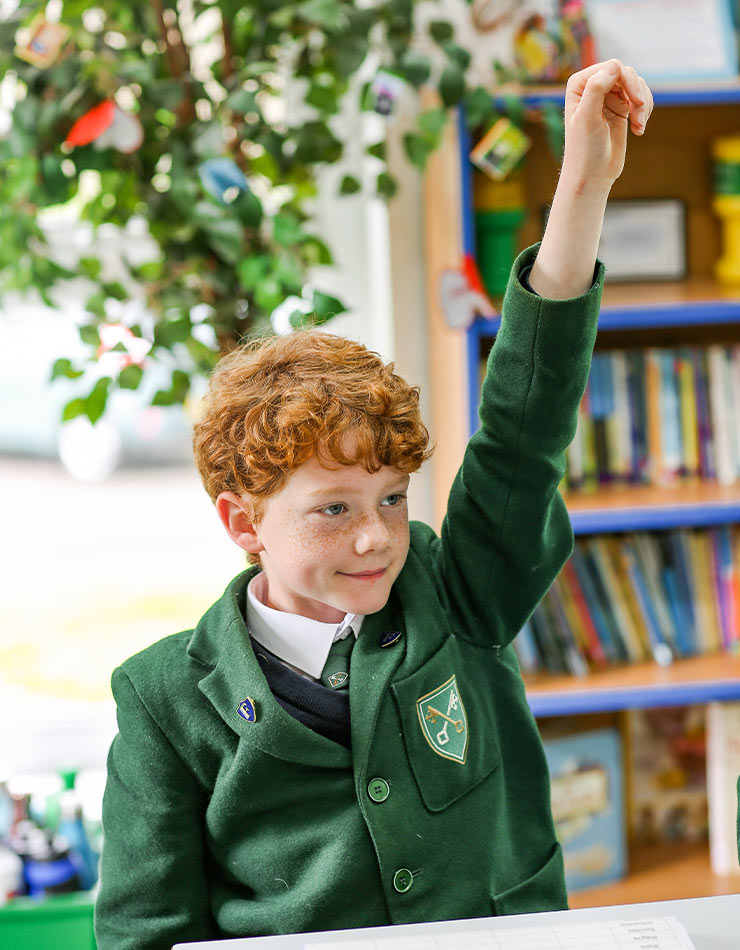


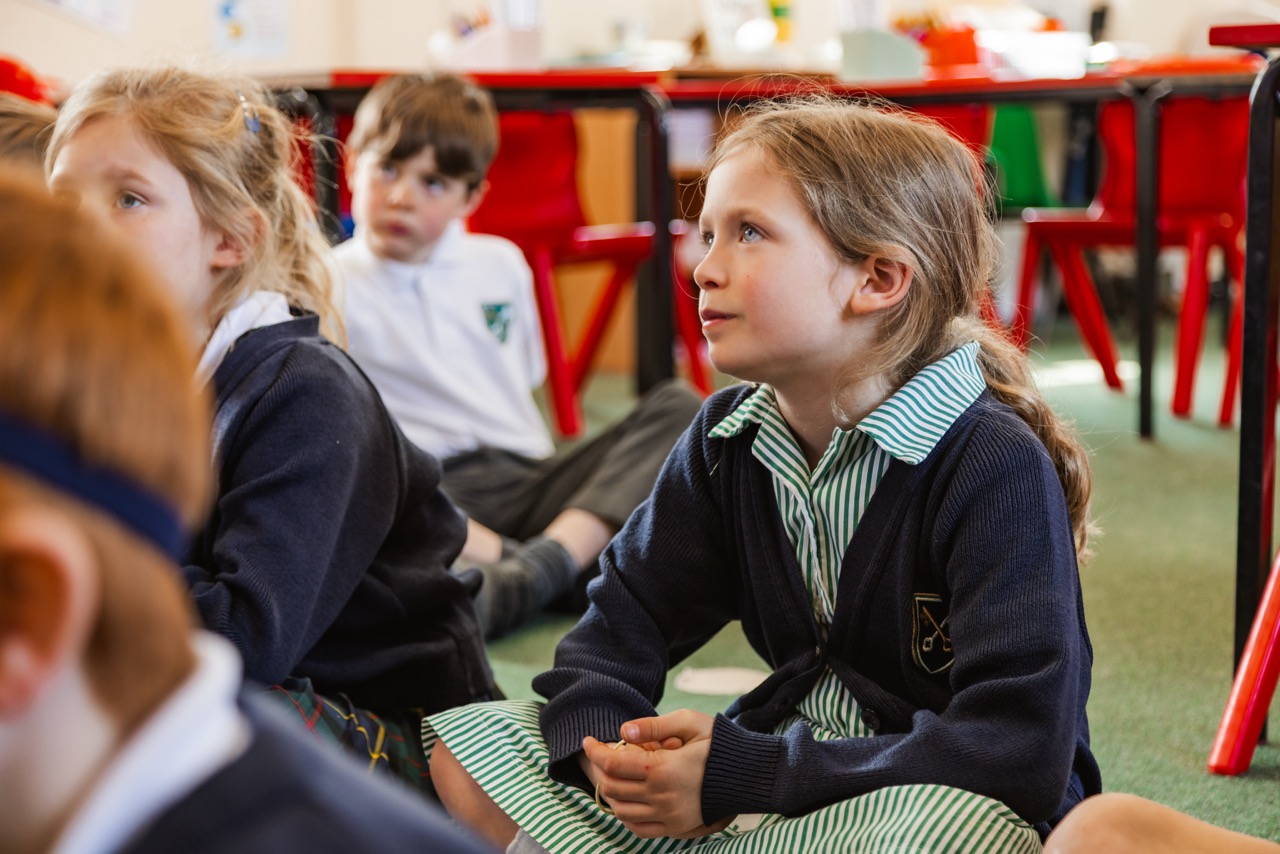
Religious Education plays an important role in helping children and young people understand the world around them. Studies show that the teaching of Religious Education in school helps pupils to build empathy, respect and critical thinking skills.
Learning about religion encourages students to explore their own faith, as well as develop an understanding of other cultures and religions, giving pupils the opportunity to explore different faiths, philosophies, and moral perspectives in a safe and thoughtful environment.
The subject is extremely important due to the large impact of religion on society and its potential role in the development of your child’s own ethics and empathy.
Encourages Critical Thinking
Religious Education helps to improve thinking and reasoning skills. Teaching religion helps to educate students on ethics, which encourages them to be more mindful and develop their own ethical viewpoints.
As well as this, being introduced to the beliefs of other religions can help students understand different perspectives on the world, helping to broaden their social awareness. Learning about religion in school encourages children to learn how to differentiate objective facts from personal beliefs and opinions, helping to improve their critical thinking skills.
Helps Develop Skills Used in Other Subjects
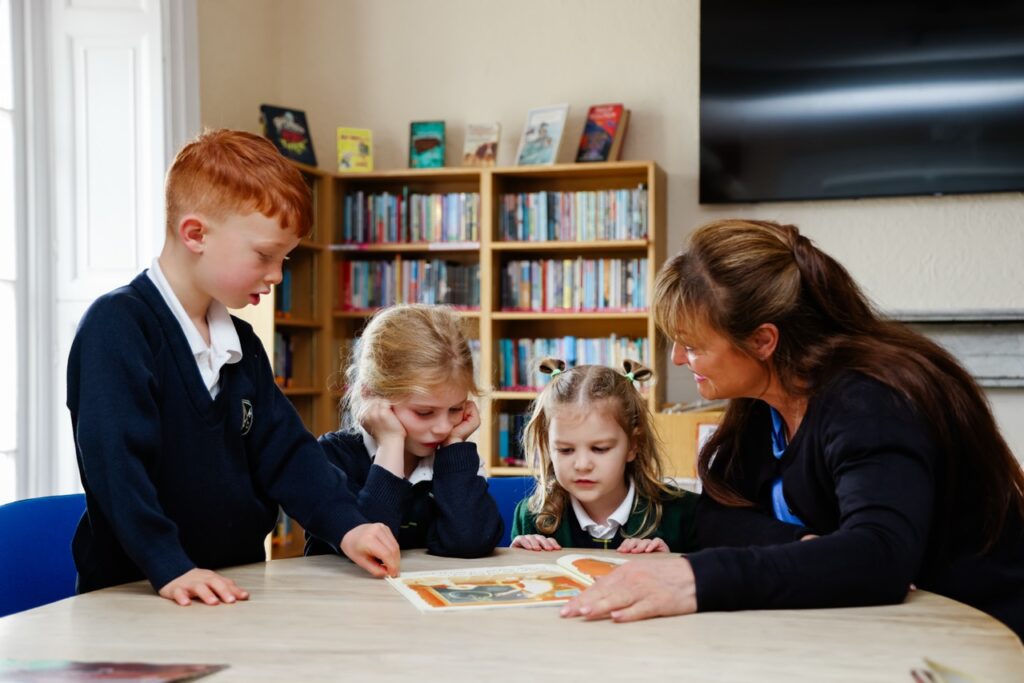
Although religion is already an extremely important subject to study on its own, studying it can also provide a wider context for subjects like history, and transferable skills for all humanities subjects.
Learning about religion directly benefits the study of history due to its importance to so many major historical events. It is also incredibly beneficial for English Literature, as having a basic understanding of religious works, like the Bible, is necessary when studying many literary works.
Due to the fundamental role that religion plays in society, having an understanding of it is important to other academic subjects. Learning about religion in school helps to build a foundation for your child’s wider understanding of the world, and the skills that Religious Education teaches are applicable to many other subjects, as well as enhancing your child’s general thinking skills.
Supports the Development of Faith
Teaching religion provides a space for students to consider and reflect on their own beliefs, as well as to learn about their own culture and faith. The subject seeks to help broaden the pupil’s understanding of their faith while allowing room for the consideration of their personal beliefs in relation to it. It is important for young people to be able to explore their religion through education and discussion.
Promotes Tolerance and Understanding
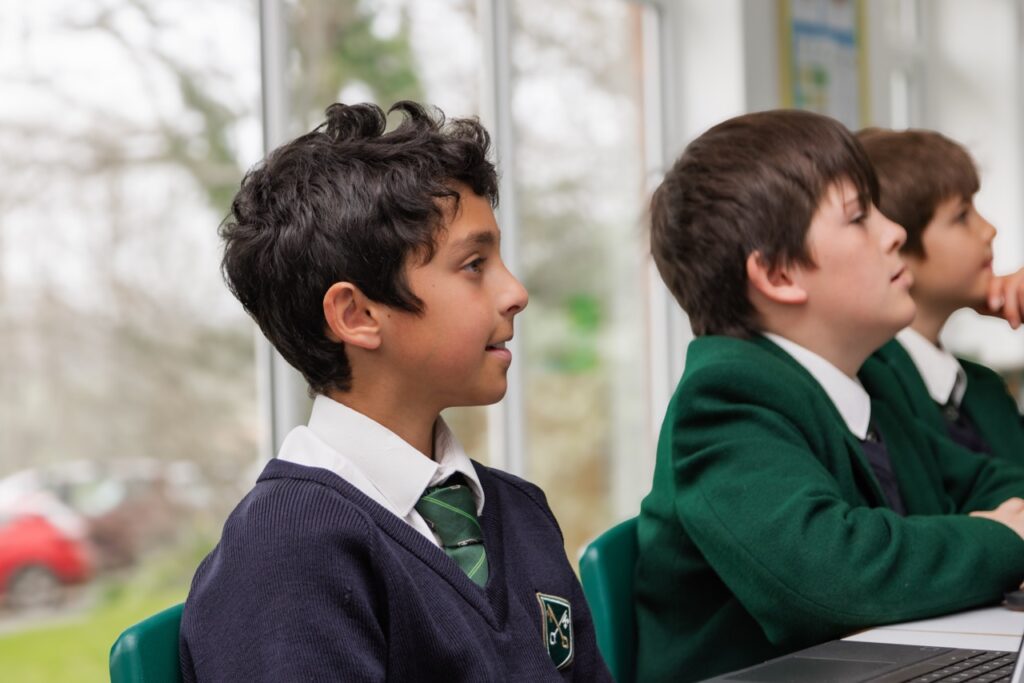
Religious Education helps to educate pupils in tolerance through the teaching of beliefs besides their own. While learning about religion helps to refine and improve your child’s own personal skills and awareness of the world, it also encourages them to be understanding of the unique lives and cultures of other people.
Learning about different religions provides students with perspectives that they may not have encountered in their own community before, which, in turn, aids them in acting considerately and empathetically towards others.
Not only does Religious Education help to develop the personal beliefs and ethics of students, but it also provides important education for understanding other subject areas and society in general. Learning about religion at school encourages students to consider their own beliefs and those of others, and to become independent critical thinkers.
At St Peter’s Prep, we are a Christian community where all relationships are built on respect. If you’d like to discover more about how we teach, request a prospectus, or get in touch with us on 01395 280335.