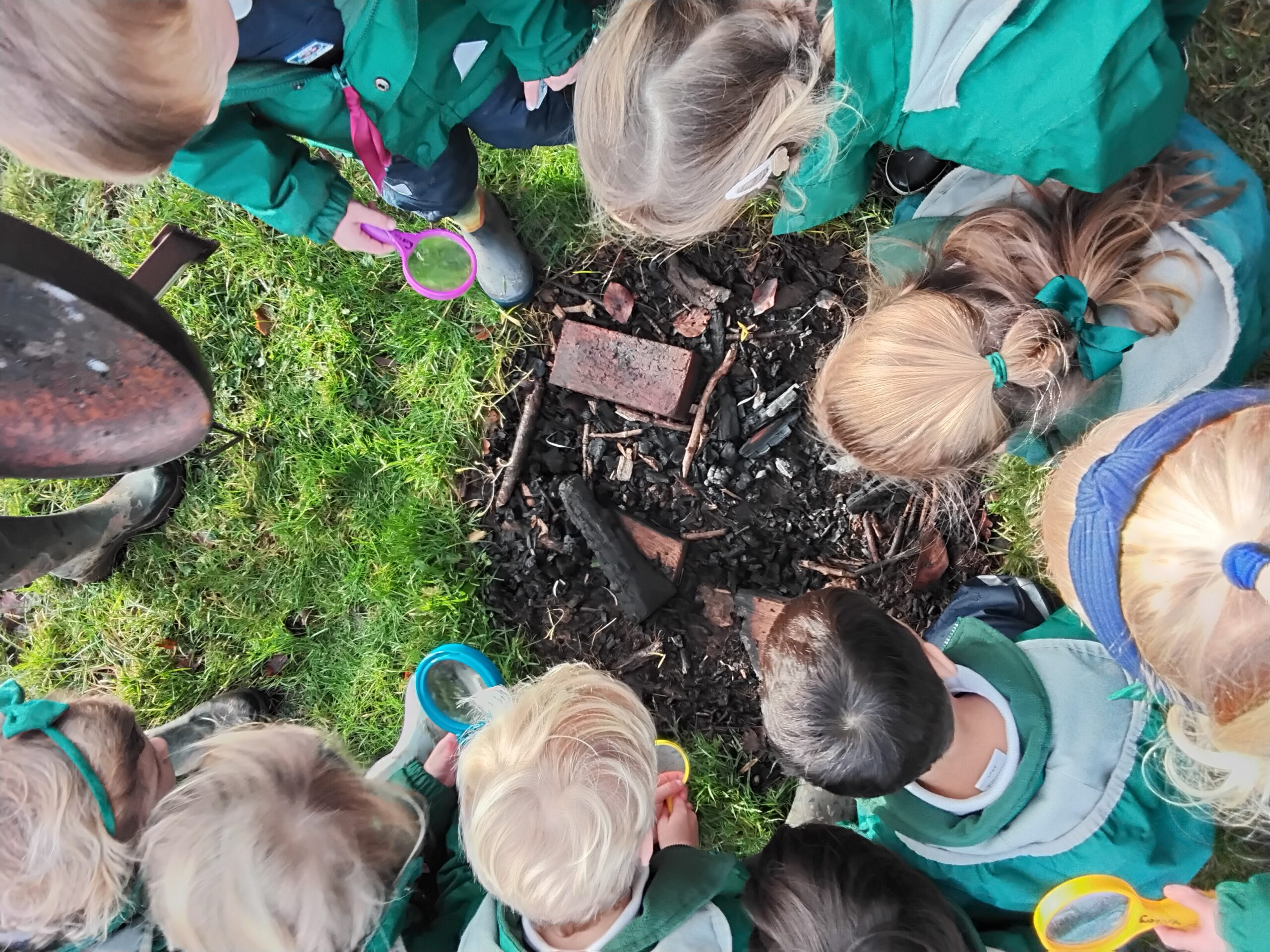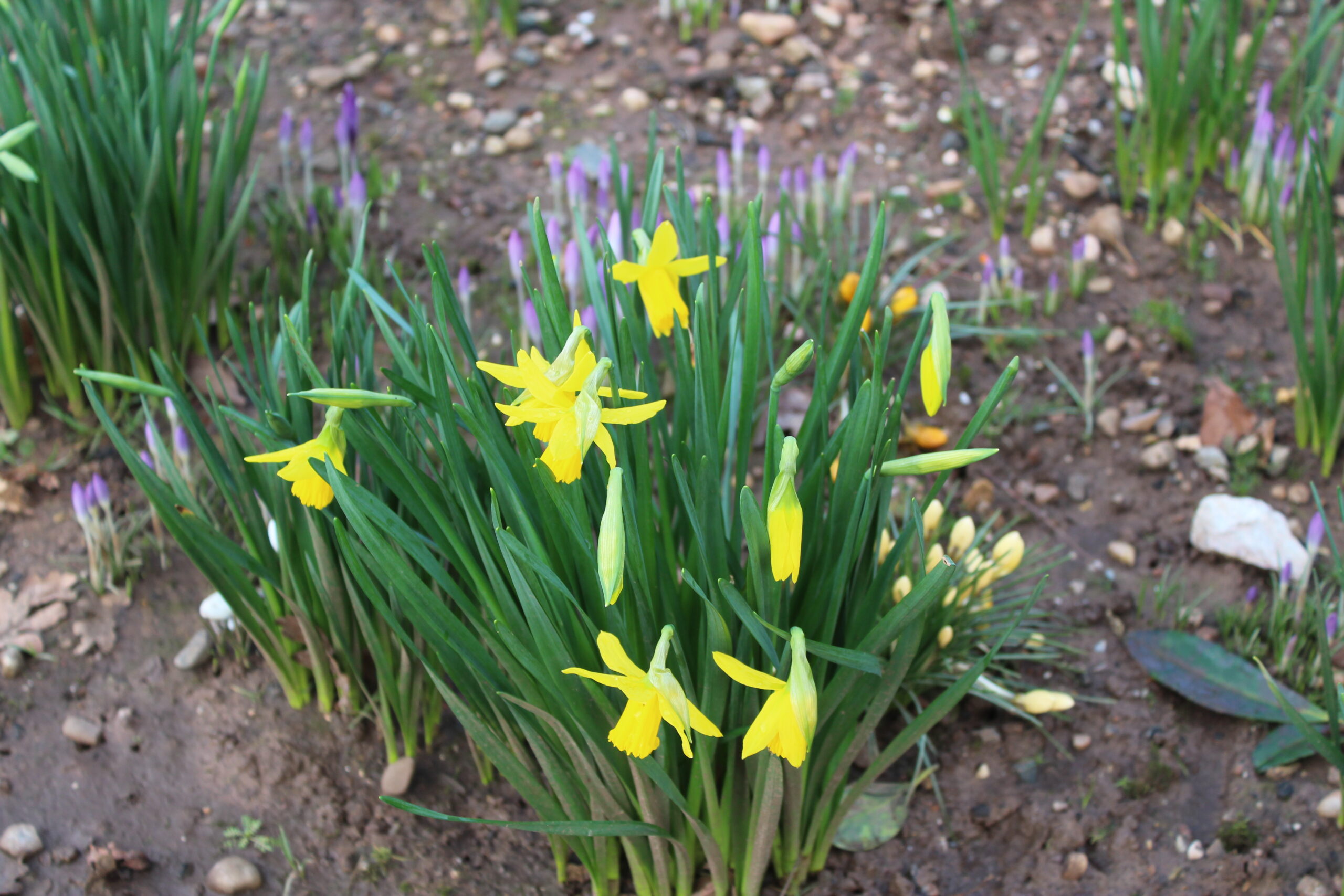
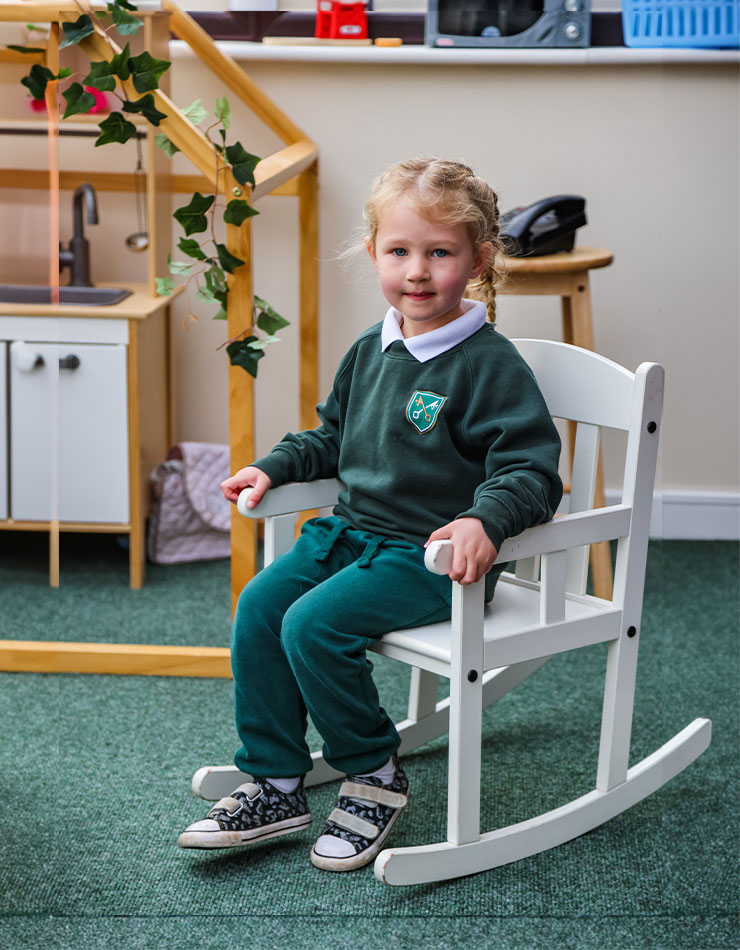
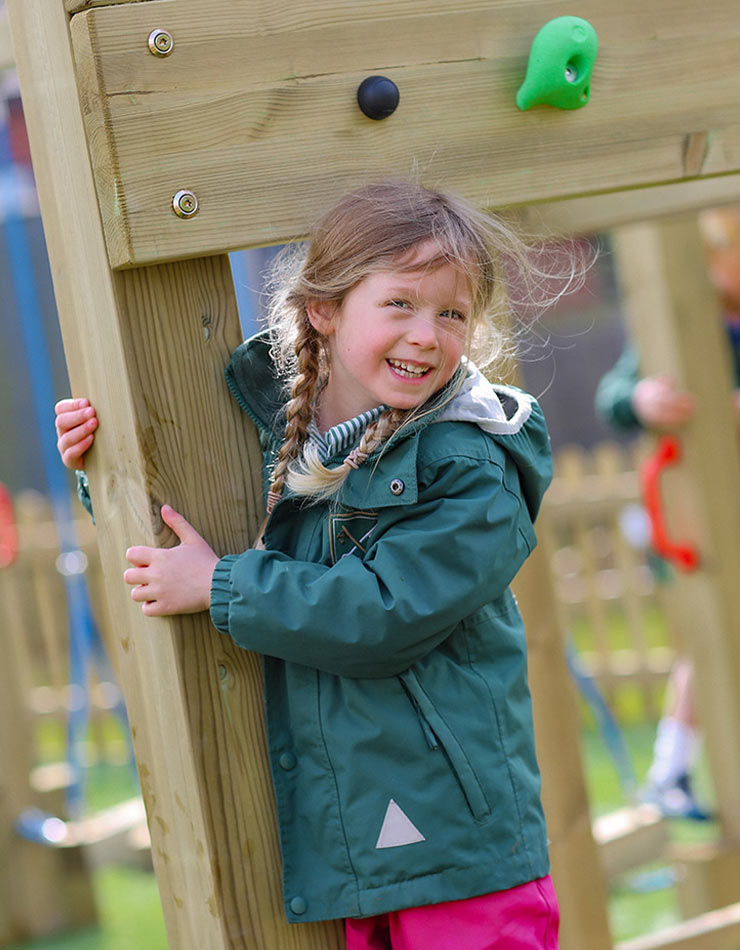



Curiosity is such an important part of all our lives, and yet it’s a concept that’s hard to pin down. This can make it tricky to factor into the structured world of education, but here at our private school in Devon, we try to put curiosity at the heart of all our teaching.
In the same way that curiosity is quite a fluid concept, it has the potential to impact so many different aspects of the school experience beyond simple academic achievement. From creativity to time management, discover why curiosity is so vital for young minds and how you can help foster that sense of curiosity both in and out of the classroom.
How Encouraging Curiosity Boosts School Outcomes
Curiosity is sometimes defined as a desire to learn, but the reality is much broader. Curiosity could be a desire to understand or experience anything new. We could be curious about a new book, or curious to try a new activity.
By looking at curiosity as something broad, we can understand how it can be much more than simply pupils being interested in a lesson, and it can also have much wider benefits as a result.
Prepares the Mind for Learning
Perhaps the most important role curiosity plays in education is not in the learning itself, but in putting children in an inquisitive mindset.
Curiosity is about the desire for new information, and by creating curiosity in the classroom, pupils’ minds become active and searching for knowledge. Then, instead of simply relaying facts to children, teachers can deliver information that children are actively seeking.
Lots of research has shown that by creating a sense of curiosity beforehand, there is a much higher chance that the information being shared in a classroom will be retained by pupils, ultimately leading to a higher chance of academic success.
Develops Critical Thinking
Curiosity is a powerful source of motivation, particularly for young children. It encourages children to do what they can to find the information for themselves. That may involve reading books if it’s something theoretical, or practising and experimenting if it’s something more physical.
When curiosity takes hold, pupils begin to take ownership of their learning. Often, this will happen outside of the classroom and force them to think about how they can find the information. All of this helps children practise some of the key critical thinking skills they’ll need throughout their lives, such as:
- Time management
- Problem solving
- Open mindedness
- Creativity
- Evaluation and fact-checking

Encourages Communication
Curiosity, by its very nature, forces us to be outgoing. When we are gripped by a desire for new knowledge and experiences, we are more willing to step out to find them.
In a school setting, this could be a pupil encouraged to try a new extracurricular activity, or it could be someone asking a question of a friend or teacher in class. All of these experiences can help children to become more communicative, while also helping with other personal skills such as self-identity and confidence, knowing what they are passionate about, then exploring and sharing those interests with others.
Promotes Lifelong Learning
Curiosity isn’t only something we experience as children; it’s a feeling that motivates us through key parts of our lives. The only reason it tends to be more associated with young children is that, as we get older, our interests change, and our school and work lives get more structured, reducing the room for exploration.
However, a spark ignited by curiosity at any age can burn brightly throughout our lives. Curiosity is addictive, and having positive early experiences with curiosity can inspire children to continue wanting to seek information into further education and beyond.
Tips for Helping Children Become More Curious
Curiosity can happen anywhere, both in class and outside. There are various techniques used in education to help foster this sense of curiosity, but there are also plenty that can be used by parents and carers to help create a lifelong desire for learning:
- Don’t Give Blanket Answers – Try not to give children all the information on a subject at once. By giving them only what they need and leaving cliffhangers, you leave them wanting to explore further.
- Ask Questions Back – A great way to encourage curiosity is to answer a question with an answer and then another question: “This is the answer, but why do you think this happens?” Doing this naturally cultivates curiosity.
- Use the Senses – New images, videos and sounds naturally create a sense of curiosity, particularly in young children.
- Model Being Curious – Some children won’t follow through on their curiosity because they’re worried about being seen as not knowing something. If children see their parent or carer being curious about topics they don’t know, they will learn that it’s an advantage to be curious.
Curiosity is a powerful tool for both learning and more general personal development. By helping your child build that sense of curiosity, you can give them the best chance of reaching their goals, no matter what they might be.