

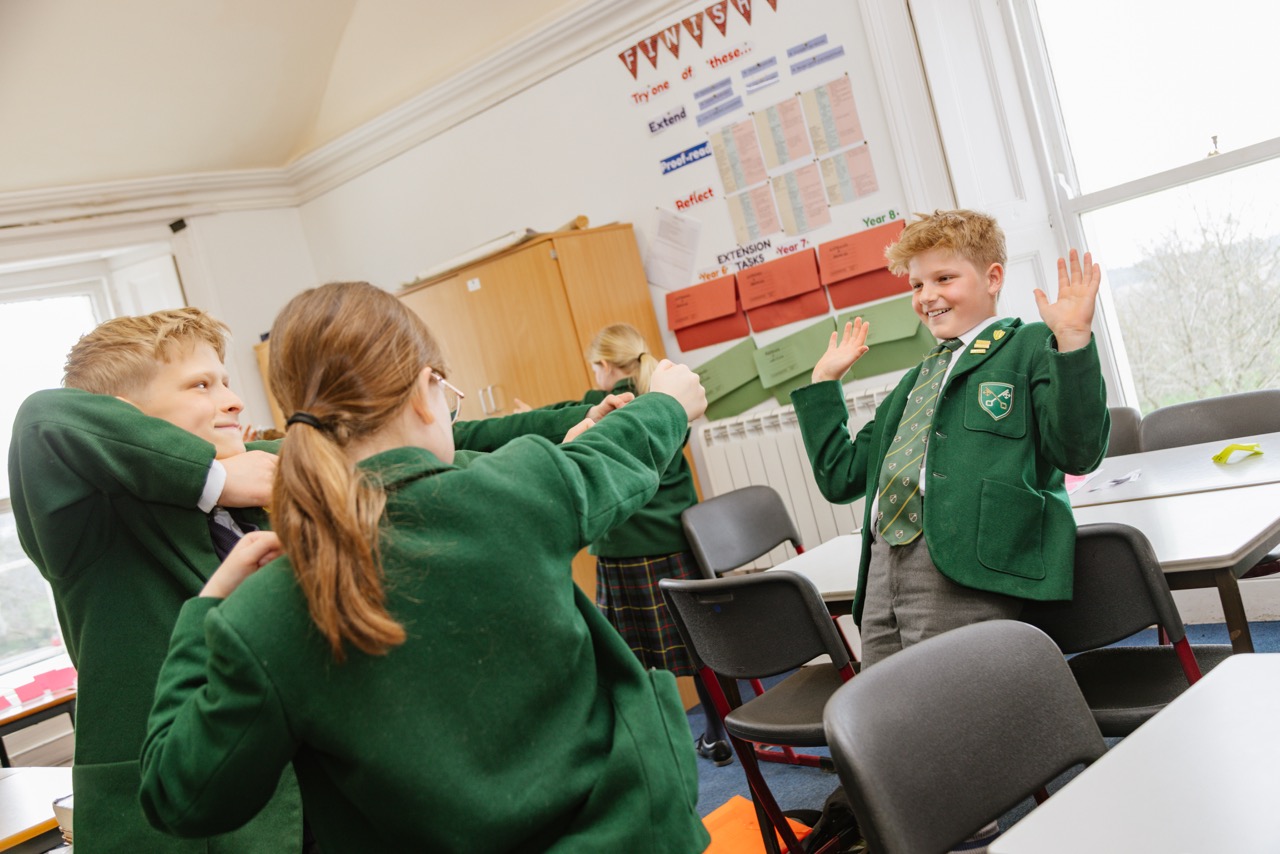
Though games are intended to be fun activities, they can, of course, be educational as well. Educational games can promote learning both inside and outside the classroom while also being enjoyable and entertaining.
Let’s take a look at how games can be educational and why they are fantastic tools for learning at our prep school in Devon.
Interactive Learning
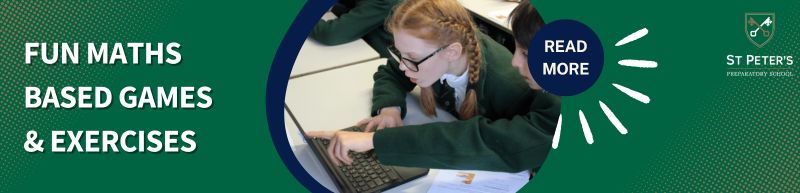
Games are a great way to transform passive learning into an exciting problem-solving activity. Unlike traditional forms of learning, such as reading or the standard lesson format, educational games require students to interact, meaning that they use their full concentration for learning.
Increasing Knowledge Retention
The need for engagement in games increases knowledge retention, particularly due to the frequent need for decision-making. Games are uniquely useful for developing critical thinking and problem-solving skills, helping children to improve these skills in an engaging and entertaining way.
Boosting Motivation
Educational games can help to increase motivation. Because of the engagement that they require, children need to participate in the learning process, which can lead to higher motivation for learning.
Improving Teamwork Skills
Teamwork and collaboration skills are often increased due to the collaborative nature of some games. Other games requiring multiple players encourage healthy competition, which can also lead to higher motivation to learn.
This is also a benefit of games with reward systems, which encourage participants to succeed in order to gain in-game rewards, which means in educational games that participants are encouraged to expand their knowledge in order to obtain rewards and win.
Educational Games to Play at Home
Many educational games are accessible at home for your child to engage in over the summer holidays. Continuing learning in interactive and interesting ways during the holiday period can really help to maintain your child’s knowledge retention and critical thinking skills while school is out.
The internet offers countless educational games, which your child can play from home for free. There are games for every subject, with websites like Kahoot, Quizlet, and Khan Academy offering educational games in an extensive range of subjects in competitive and engaging formats. There are specific games designed to help with improving literacy and numeracy skills for younger children, often with increasing levels, which can be used to maintain these skills as your child’s abilities develop.
The educational benefits of many classic board and card games have long been known and are still extremely beneficial for developing cognitive skills, as well as being a bit of fun. While the internet offers many helpful and entertaining games specifically catered to particular educational areas, time away from screens is also highly important. If your child needs some time offline over the holidays, there are plenty of physical games – like treasure hunts and obstacle courses – which help to keep the brain and body active while passing the time!
Here are a few ideas of what you can play at home:
- Scrabble: a classic game that helps children develop spelling, vocabulary, and strategic thinking skills. Younger children can use letter tiles to make simple words, while older children can focus on creating higher-scoring combinations.
- Story Building: take turns adding a sentence to a story. This encourages creativity, vocabulary development, and communication skills.
- Hangman: a simple game that reinforces spelling and word recognition while encouraging problem-solving.
- Number Bingo: create bingo cards with numbers and call out simple sums. Children must work out the answer and mark it on their card.
- Dice Challenges: roll some dice and ask children to add, subtract, multiply, or divide the numbers. Older children can tackle more complex calculations.
- Card Games: games such as “Make Ten” or “24” use playing cards to encourage mental arithmetic and number fluency.
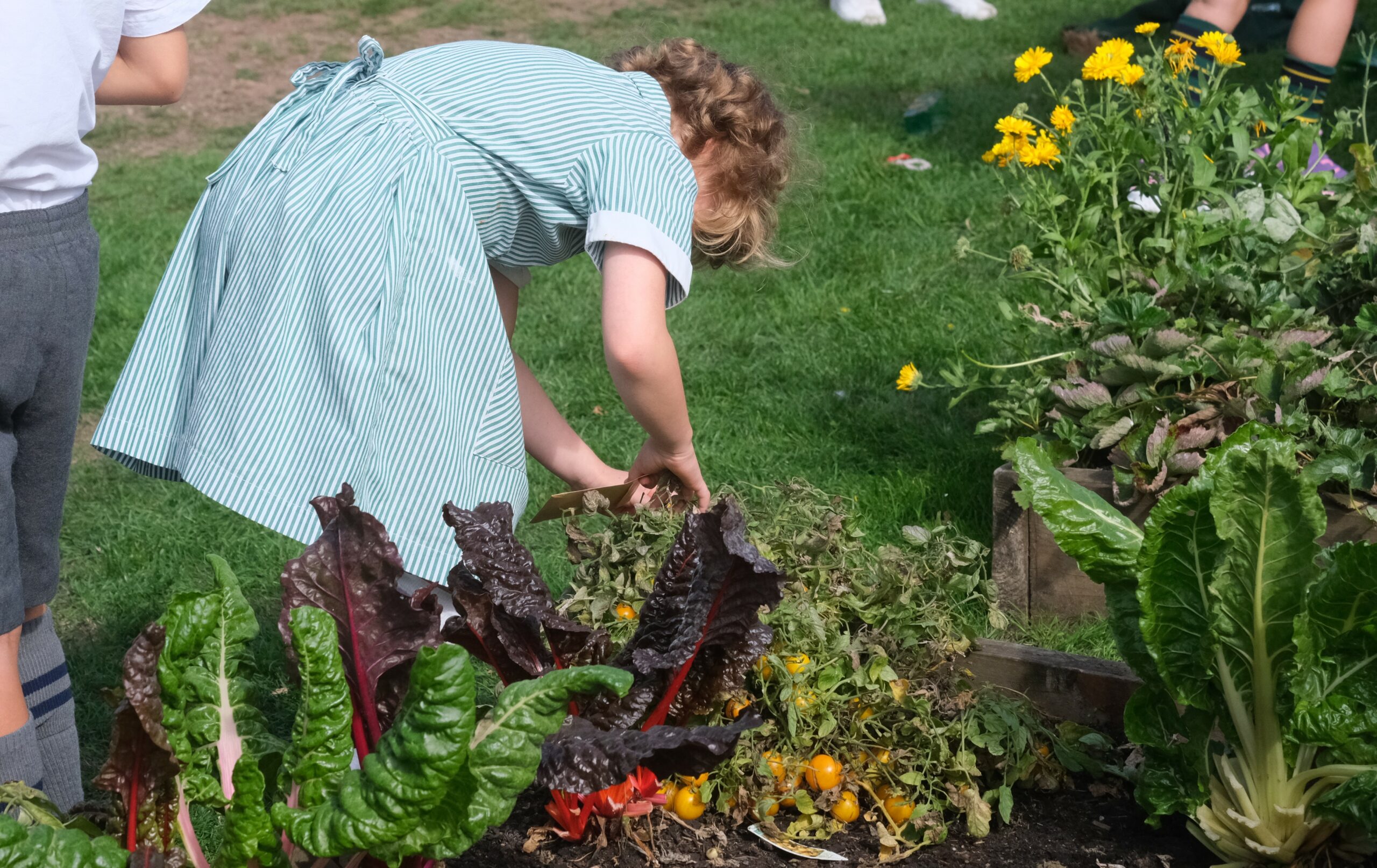
- Nature Scavenger Hunt: create a list of items for children to find in the garden or during a walk, such as leaves, insects, or different types of flowers. This develops observation and classification skills.
- Sink or Float Challenge: gather household objects and ask children to predict whether they will sink or float before testing them.
- Guess the Animal: give clues about an animal’s habitat, diet, and characteristics and have children guess which animal it is.
- Memory Matching: use matching cards, pictures, or household objects to improve concentration and memory.
- Charades: act out books, movies or songs. This builds confidence, communication, and subject knowledge.
Games are not only educational but are actually very closely associated with improving various learning skills, such as problem-solving and knowledge retention, as well as improving memory and gaining an understanding of specific topics. Educational games can be extremely beneficial in and out of class for the development of your child’s knowledge and skills.