
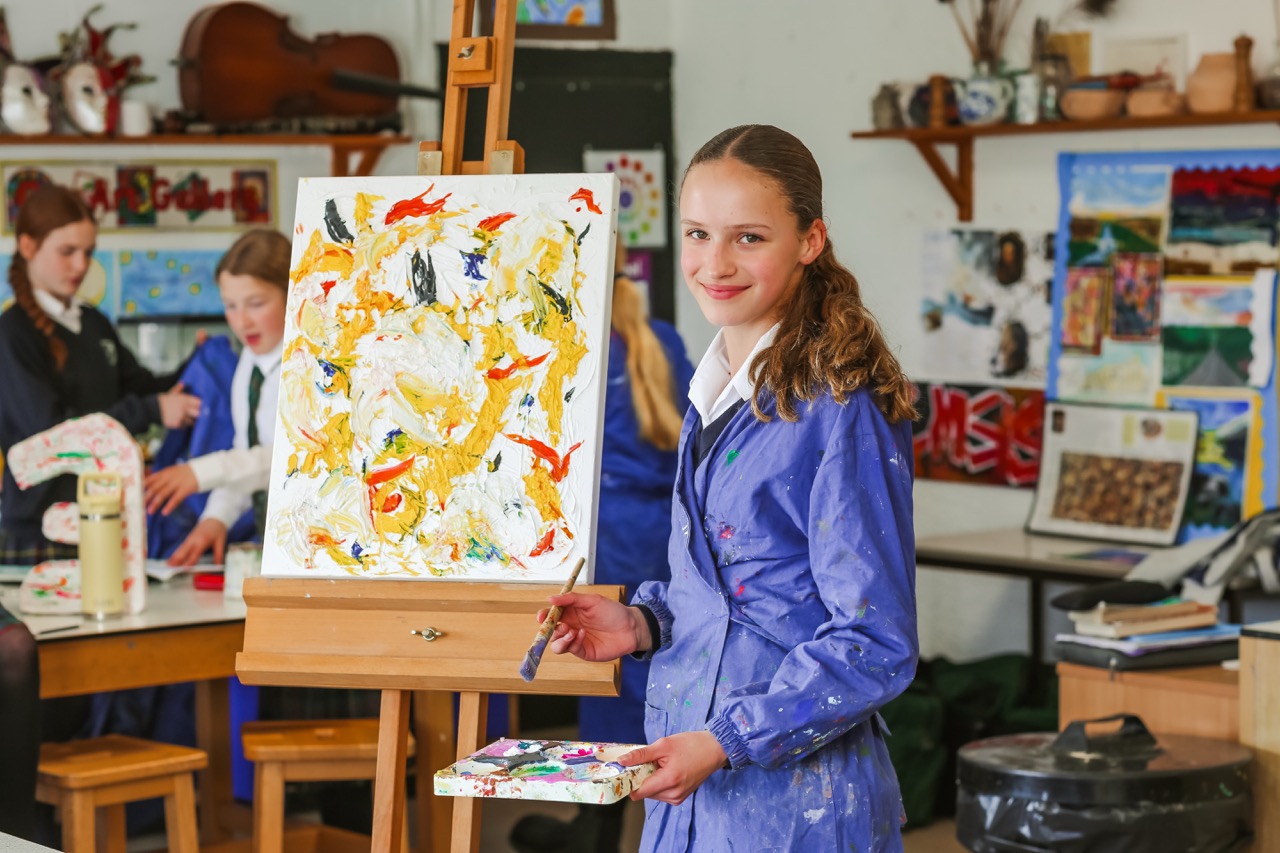
In many schools across the UK, time in the school year for creative pursuits like art or music is becoming increasingly squeezed in favour of more focus on core subjects. However, these discussions can sometimes overlook how subjects like art can have knock-on benefits throughout a child’s education.
At our independent school in Devon, we take great pride in the quality of our visual arts programme. Every child has weekly art lessons and activities with a specialist teacher, where they can use our art studio or take their sketchbooks out and find inspiration across our extensive grounds.
We value art classes not just for the joy of producing art but also because it provides a myriad of other benefits to help developing children grow into well-rounded young adults.
Encourages Creativity & Self-Expression
First of all, art classes are one of the best ways for young children to explore their creativity.
One of the most important aspects of art classes is their very high level of freedom, even compared to similar pursuits such as music and drama. Unlike traditional lessons where there is a right and wrong way, art classes encourage students to find unique ways of expressing themselves through techniques, colours and materials. All of this helps to encourage a pupil’s creativity, a skill that is vital to one’s success in almost any subject and work when they grow up.
The freedom of art class also provides a great space to develop self-expression, which is a cornerstone of self-confidence. Art is a wonderful way for shy or reserved children to share a little bit more of themselves, which can positively snowball into a growing sense of self as their skills develop.
Improves Core Learning Skills
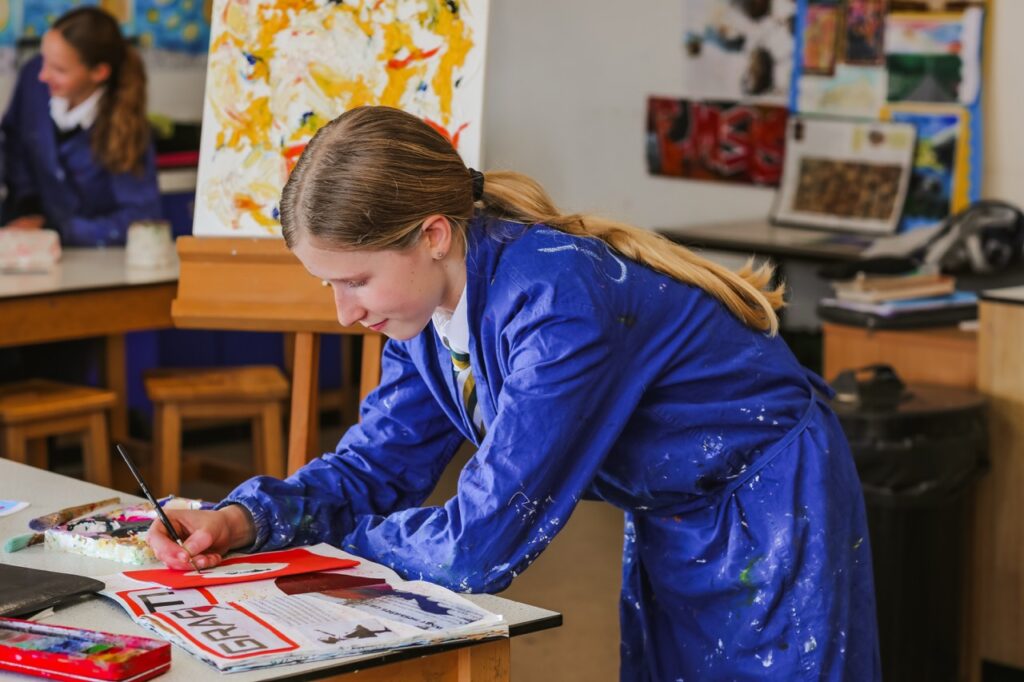
The freedom of art presents its own challenges for pupils. The binary right-or-wrong nature of core subjects can feel like a memory game to some children, but art classes force them to think for themselves and come up with their own solution to a creative assignment.
This unique challenge that art classes produce is what makes them a crucial part of the learning experience for young children, encouraging the development of various key skills that they then take into other subjects, such as:
- Critical Thinking: The ability to look at something and understand why it happens in such a way before deciding how best to act or respond. In art classes, this may be researching an artistic style or focus to understand how it is produced.
- Problem Solving: Understanding the obstacles that could prevent you from solving an issue and how they can be overcome. In art classes, this could be deciding what materials to use and how to lay out your work.
- Perseverance: Continuing to try something even when met with setbacks until a goal is achieved. In art classes, this is common as pupils learn new styles and improve through trial and error.
Provides Space to De-Stress
Being a child is becoming more stressful. Whether it’s exams or peer pressures heightened by being constantly online, there’s a lot in the average school day that can cause children to feel anxious. While many schools put on additional wellbeing services and sessions to help children cope with stress, art classes are a rare part of the school timetable that can also serve this purpose.
Many children in studies such as the TALE Project say that art classes provide an important release valve in their school life, particularly during stressful periods such as exams. The unique style of art classes, where there is more agency for children to follow their own interests, allows them to find some peace in the school day while still developing key skills.
Art Connects Subjects to Reality
Creativity is not just the cornerstone of art but a crucial skill for any successful career. Examples of creativity pushing innovation can be found in everything from architecture to medicine to video games, and understanding creativity through art can help children gain a deeper appreciation for other subjects in which they are gifted.
For example, a child who excels at maths can use art to explore the natural geometry that goes into architectural design, or a child who loves coding can use art to explore principles around game design. For pupils, art classes can be a great way for them to start looking at their favourite topics in a new way, beginning the journey of turning a favourite subject into a future career.
Of course, when discussing the importance of art classes, we mustn’t overlook the importance of art itself, both creating and enjoying it as part of a healthy, satisfying life. However, when it comes to early education, art classes can also play a great role in pupils reaching their potential across many areas of the school experience.