
Choosing your child’s school is a slightly daunting decision for many parents. At our private school in Devon, we speak to many parents who had never previously considered a private school but then found it was the ideal fit for their child.
We understand that there’s no right or wrong answer when it comes to choosing between state and private schools; everyone’s situation is unique. Here, we run through some of the advantages a private school can provide, so you can understand if it might be a good option for your child.
The Advantages of Choosing a Private School
Many people have an image of private schools created by elite institutions such as Eton. However, the vast majority of private schools, such as ours, are much more accessible to everyday families, and the additional costs compared to state schools can be seen directly in the facilities and level of education provided.
Here are some of the main advantages we hope parents recognise in institutions like ours:
- Class Sizes
- Great Facilities
- A Broader Curriculum
- Extracurricular Opportunities
- Wrap-around Care
- Preparation for Future Education or Work
Class Sizes
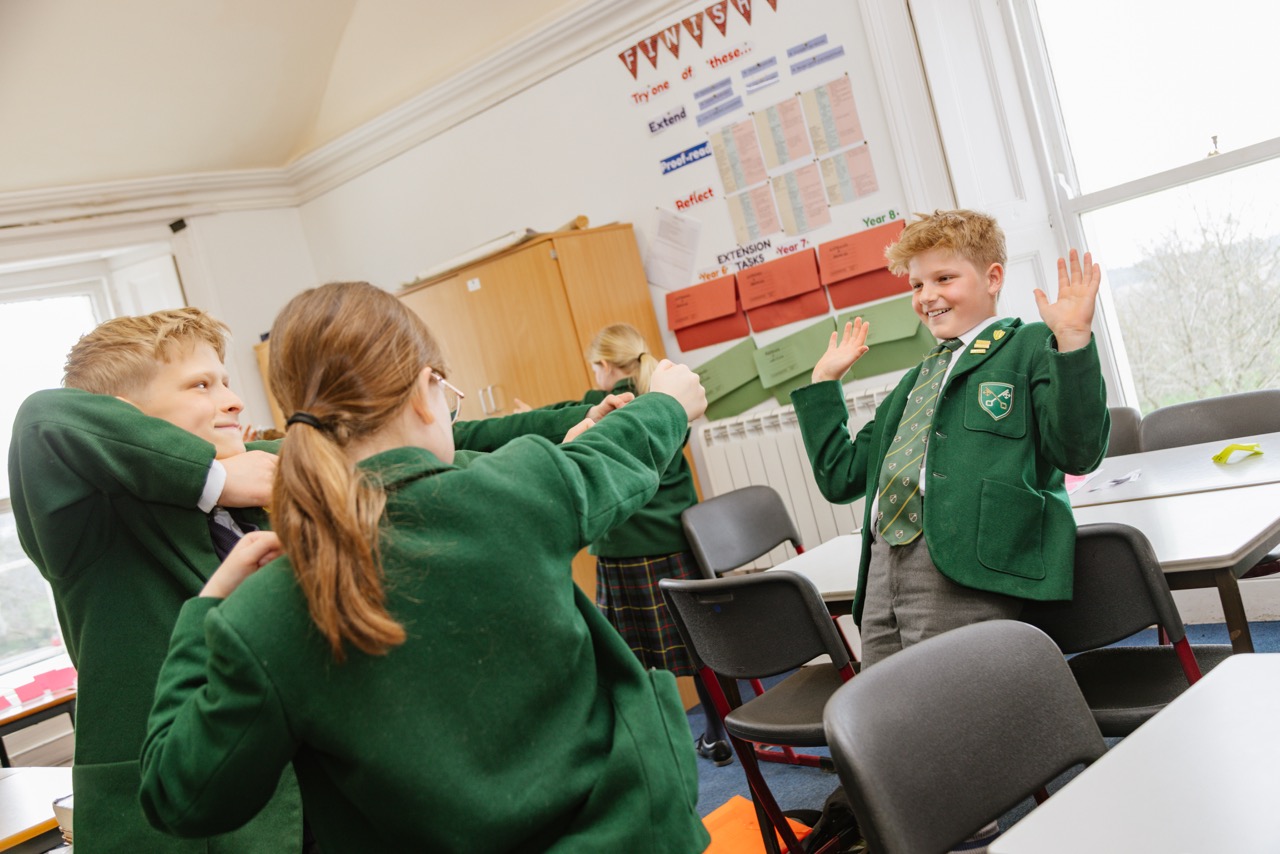
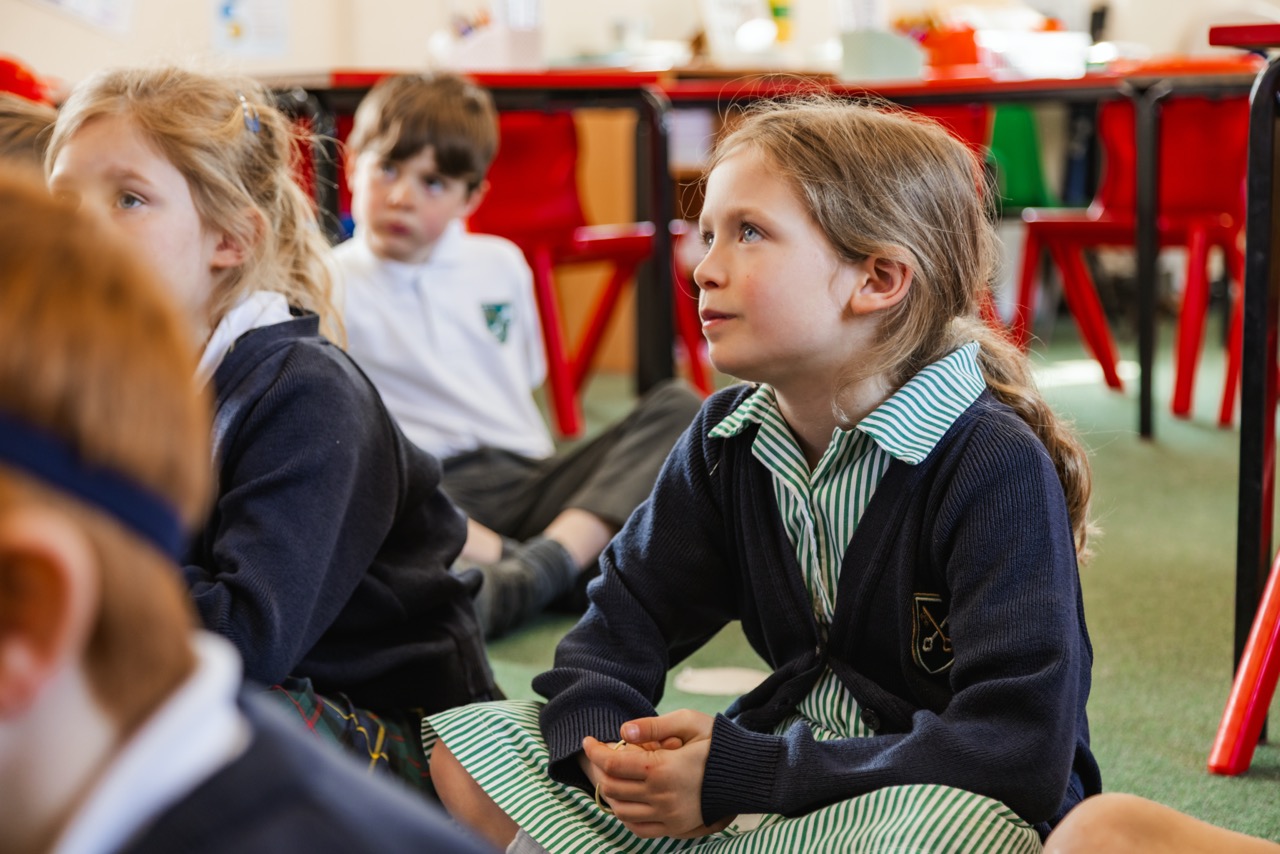
One of the benefits of attending an independent school is the smaller class sizes. State schools are instructed to take on a certain number of local pupils, whereas private schools can ensure class sizes remain at an ideal size to deliver high-quality lessons.
A better teacher-to-student ratio makes a positive difference in the level of education a child receives in many ways, including:
- Giving teachers more time for helpful feedback.
- Creating more space for emotional support when required.
- Giving students the room for their ideas and thoughts to be shared.
- Additional physical space for things such as interactive learning.
All of the above allow our teachers to give each child the attention they deserve to excel, reach their full potential, and increase their confidence.
Great Facilities
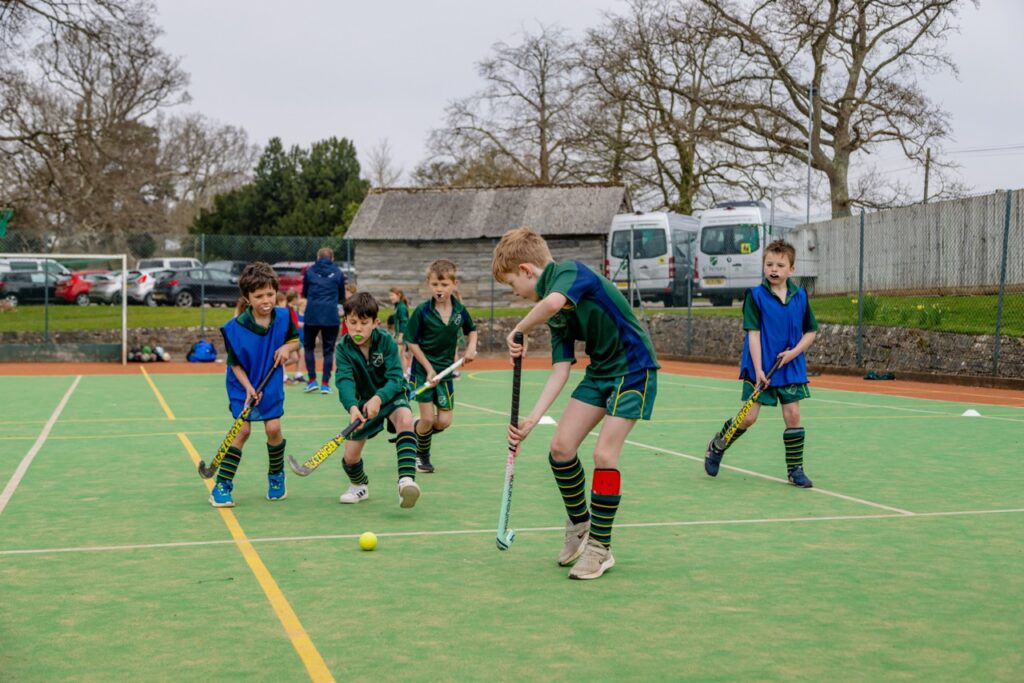
The increased investment that private schools receive through admission fees can often be seen in their facilities, which will usually surpass what’s available in state schools.
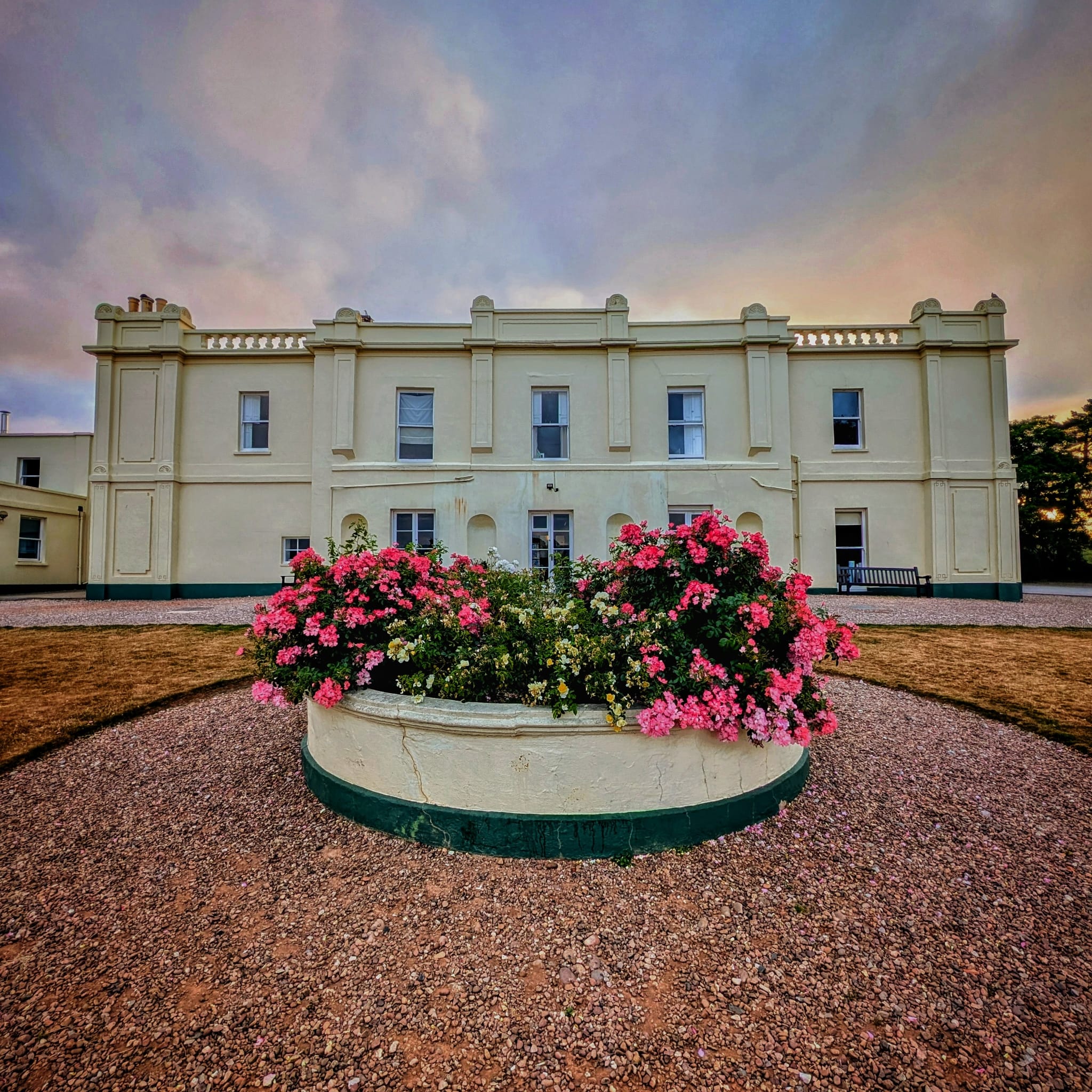
Not only is it down to the quality of facilities, but many private schools like ours are lucky enough to enjoy a large space, which allows us to accommodate a huge breadth of facilities for all manner of interests.
Here are just some of the facilities at St Peter’s Prep:
- Sports pitches for football, cricket, rugby and athletics.
- Sports halls and astroturf for all-weather sports
- Outdoor swimming pool
- State-of-the-art science laboratories
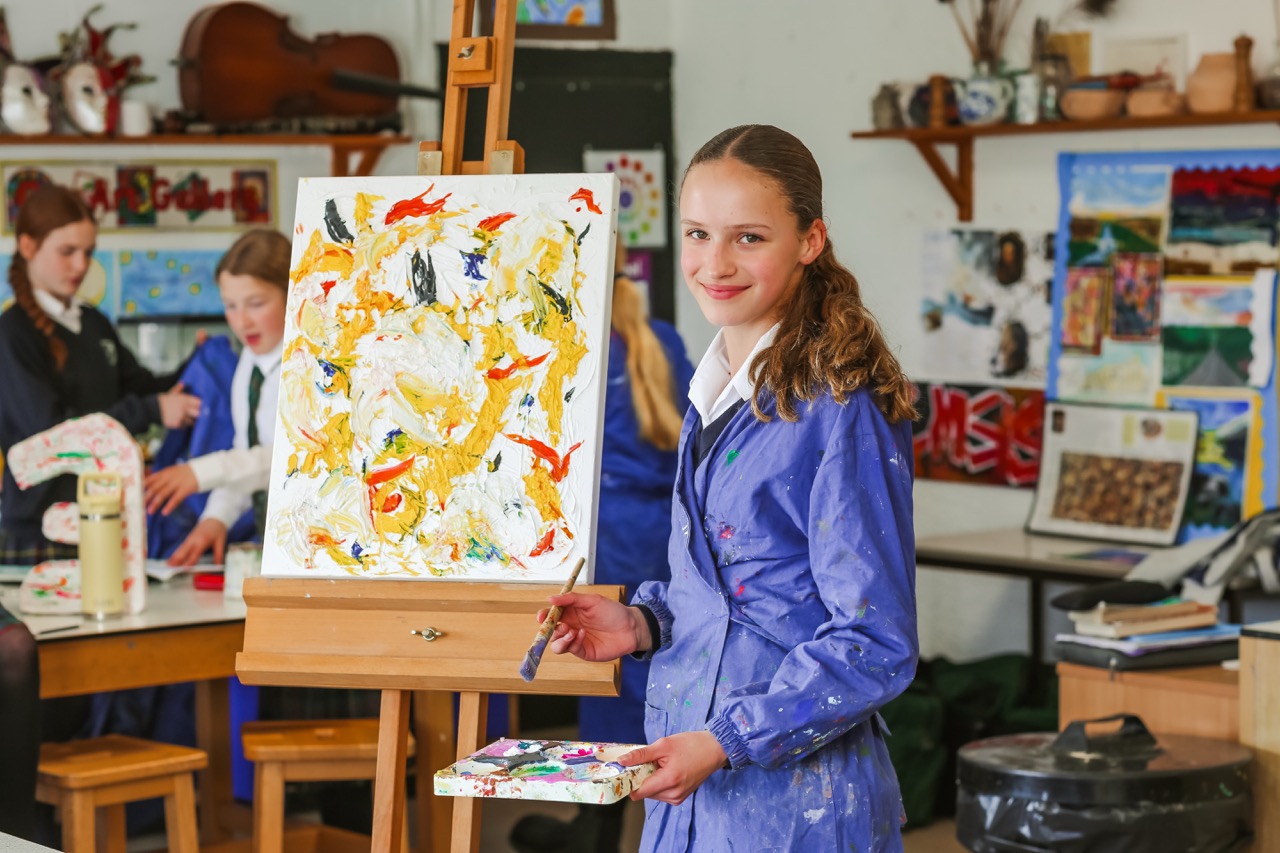
- Creative studios, including music rooms, performing arts spaces and arts studio.
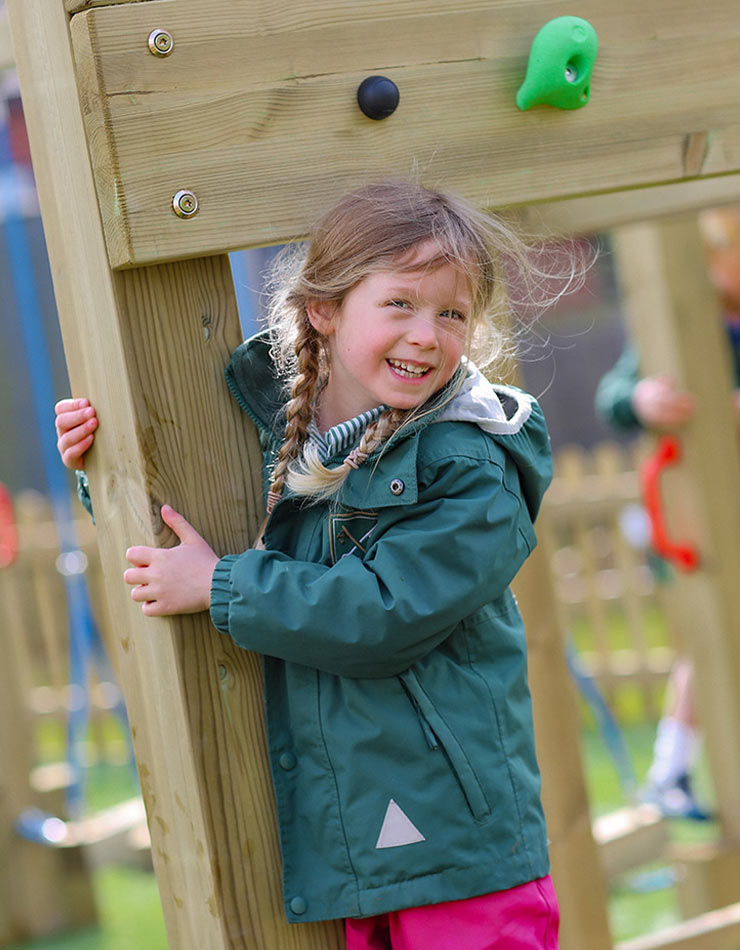
- Adventure playgrounds
- Private woodland and pond
Because of smaller class sizes, more children get the opportunity to explore their passions with all the technology and instruments they require.
A Broader Curriculum
Private schools do not have to follow the national curriculum like state schools. While private schools will often teach similar subjects, the academic freedom allows for a much broader range of subjects to be explored.
Here, children can study a wider range of topics as part of the St Peter’s School Baccalaureate®, including:
- Art and Design
- Drama
- English
- French
- Games and Physical Education
- Geography
- History
- Information and Communications Technology
- Mathematics
- Music
- Personal, Social & Health Education
- Religion and Philosophy
- Science
- Spanish
Having the freedom to teach different subjects allows us to be more innovative in our teaching style, create teacher autonomy, and develop a tailored curriculum that supports pupils’ goals.
Extracurricular Opportunities
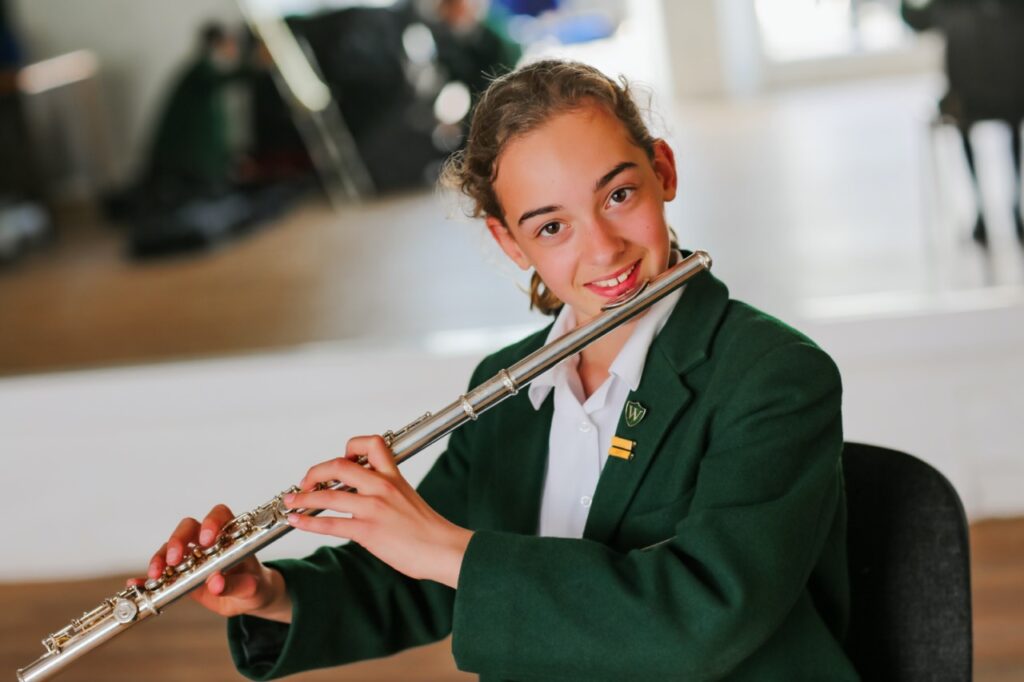
The importance of extracurricular activities for a pupil’s development cannot be underestimated. It is through things like after-school clubs that children begin to follow passions that will stay with them forever, while they also provide excellent opportunities to build soft skills such as confidence, sense of self, communication, creativity and more.
Extracurricular activities also play an essential role in a child’s mental health and well-being, by providing a fun space to relax and participate in something they’re passionate about. They also teach valuable time management skills as pupils learn to juggle school and other commitments outside of school, prioritising tasks and managing their schedules effectively.
Similar to how private schools offer a wider range of facilities, we can also offer a broader selection when it comes to extracurricular activities. Regular competitive sports teams are available alongside other creative activities such as music, performing arts and coding. There are also groups like our eco-council, where children can further explore their interests.
Wrap-around Care
The realities of working life often mean that wrap-around care is a huge factor when deciding on a child’s school. Private schools are usually able to offer more options when it comes to additional care, ensuring your child is looked after at all times.
We offer wrap-around care for all pupils from 08:00 to 18:00, and for slightly longer for pupils in Year 1 and above (07:30-18:15), including after-school activities and prep sessions. We also have holiday clubs taking place on our grounds during the school holidays, which are popular with pupils and offer more options for caring for them outside of the school year.
Preparation for Future Education or Work
Lots of the advantages covered already come together to create an environment perfectly set up to give your child the very best chance of moving on to bigger and better things once they leave us.
Smaller class sizes and highly qualified teachers equip children with strong foundational knowledge and critical thinking skills, whilst the tailored curricula of independent schools can be optimised to the needs of individual pupils, helping every child reach their full potential.
Extended school days through wrap-around care allow students to study subjects more deeply while encouraging students to adapt to the world of work, where time management and commitment are essential over extended hours.
Our children also have the opportunity to build on their soft skills, such as confidence and leadership, through a wider range of extracurricular activities.
As mentioned at the beginning, all these advantages don’t mean that private schools are automatically the best choice for your child; you will have lots of personal factors to consider, such as cost, location and friendship groups. Hopefully, though, this guide shines a light on why a private school might be a viable option to meet your needs.