


In some schools, music education is often overlooked as an arts subject in favour of more traditionally academic disciplines. However, the teaching of music is greatly beneficial to your child’s education for many reasons.
Not only does learning music help to improve skills in other subject areas, but it has also been proven to reduce stress and enhance cognitive function.
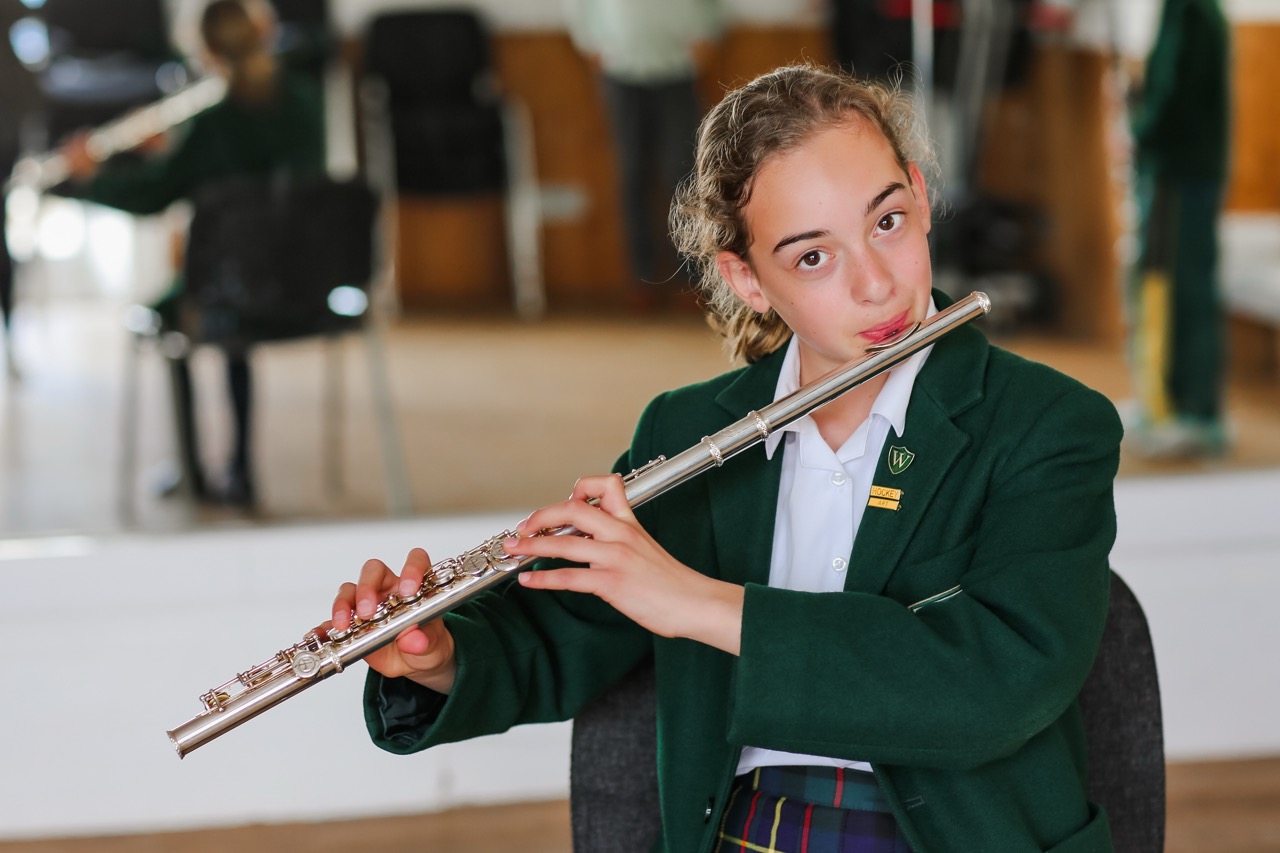
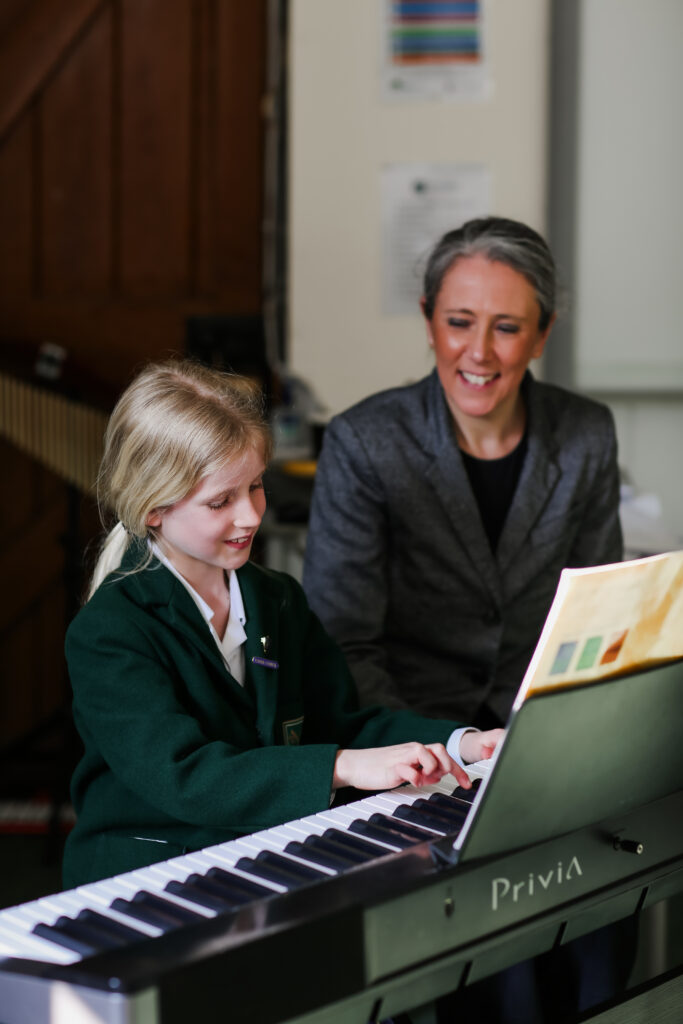
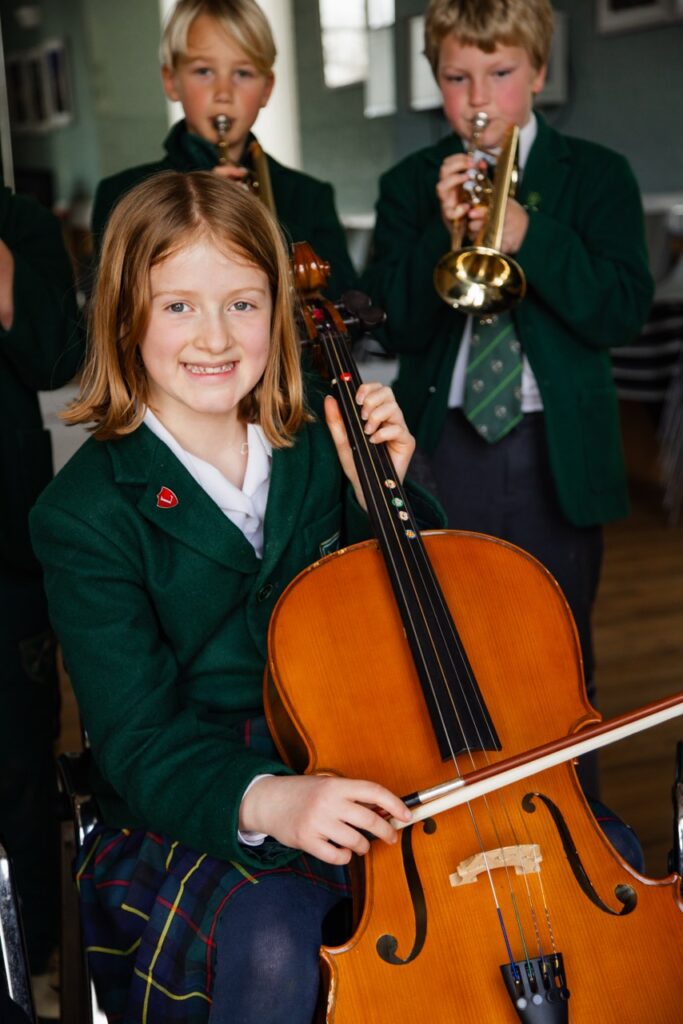
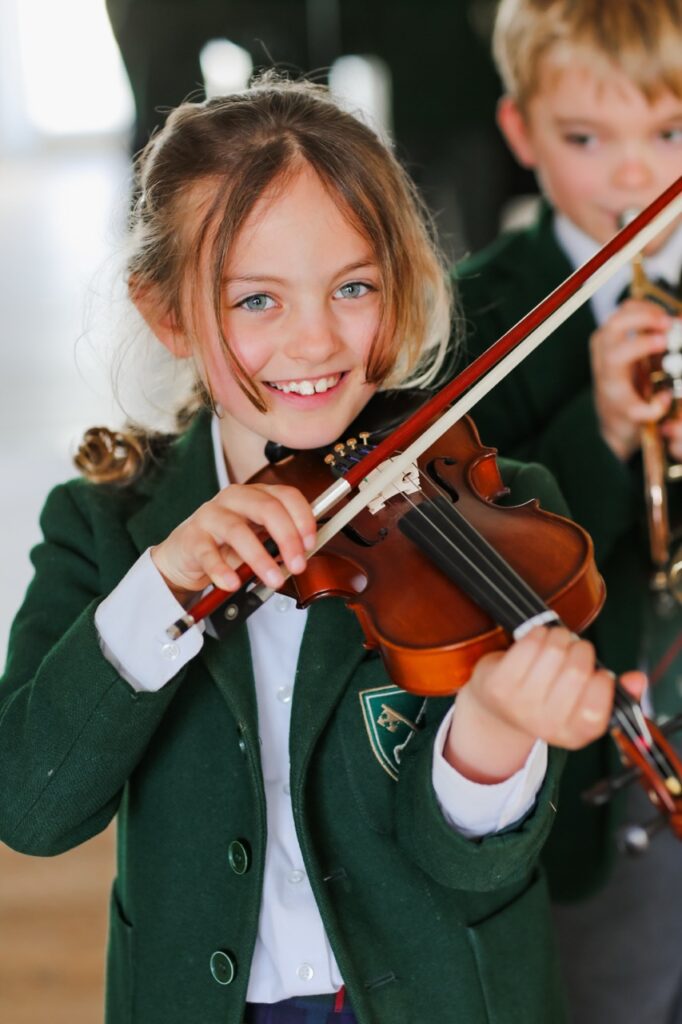
That’s why, at St Peter’s Prep, we have plenty of opportunities to develop musical skills, with four different choirs, as well as various ensembles, groups and bands. There are informal ‘teatime’ concerts and larger events at school or locally, such as the House singing competition.
Let’s take a look at some of the reasons learning music at school is so important.
Improvement in Other Subjects’ Skills
Studying music provides transferable skills to your child, helping them improve in other subjects. For example, much of the theory of music involves mathematics, and so learning it can help to improve mathematical skills.
In the arts, music helps develop a deeper sense of creativity, structure, and expression. Understanding elements like rhythm, tempo, and dynamics encourages students to think about timing and emotion, which are equally important in disciplines such as art, drama, and dance.
Reading music involves recognising patterns and symbols, much like reading language, while sound, pitch, and volume link directly to ideas in physics, such as vibration and frequency.
Due to the motor skills that music enhances, it can even be advantageous to physical activities like sports.
Learning music in school is not exclusively beneficial to a musical education, but also to your child’s education in general, being associated with developing skills in all sorts of subject areas.
Positive Brain Development
As well as enhancing skills used in other subjects, learning music in school is also known to help increase intelligence in children. The process of learning music, particularly learning how to play an instrument, increases brain power and functionality. It enhances neuroplasticity, improving memory, attention, and executive function.
Studies, such as Schellenberg (2004), also suggest that consistent music lessons can boost IQ by roughly 3 points or more over several years.
This means that it improves concentration and can increase IQ in the long run, so learning music in childhood provides a particularly strong benefit to your child’s future education.
Beneficial to Personal Skills
Not only does learning music at school help to improve general education, but it has also been known to help develop a wide range of social and personal skills, from teamwork developed by group music projects to improved hand-eye coordination and motor skills.
As well as this, learning music from an early age helps to enhance your child’s cultural awareness, providing both a creative outlet and an education in culture.
Beneficial to Wellbeing
These positive benefits are not limited to skills: learning music, particularly in early years, is a great outlet for self-expression for children and has been proven to reduce stress, meaning that music education has long-term positive effects on the mental health of children.
Learning music also helps to improve confidence, due to its allowance of self-expression and emphasis on group work.
Music is Good for Children
Even without learning music, listening to music has been proven to improve all sorts of things, like brain health, emotional regulation, and even helping to reduce pain. Particularly in children, it has been proven that listening to music can boost cognitive development and help to prevent anxiety.
Listening to music has countless positive effects, so of course, learning music will provide this effect in an even more beneficial and hands-on way.
Learning music at school during childhood is associated with plenty of wonderful benefits in other fields and for later on in life. If you are looking for your child to experience more musical education, then check out our performing arts offerings at St Peter’s Prep or get in touch to discover more about how we can support your child.